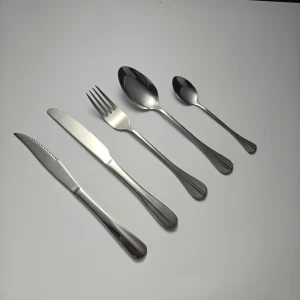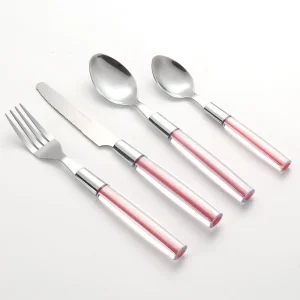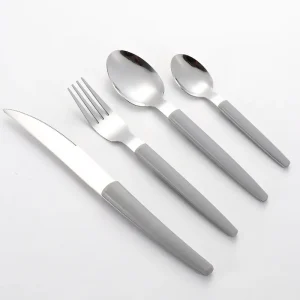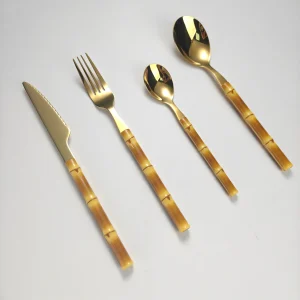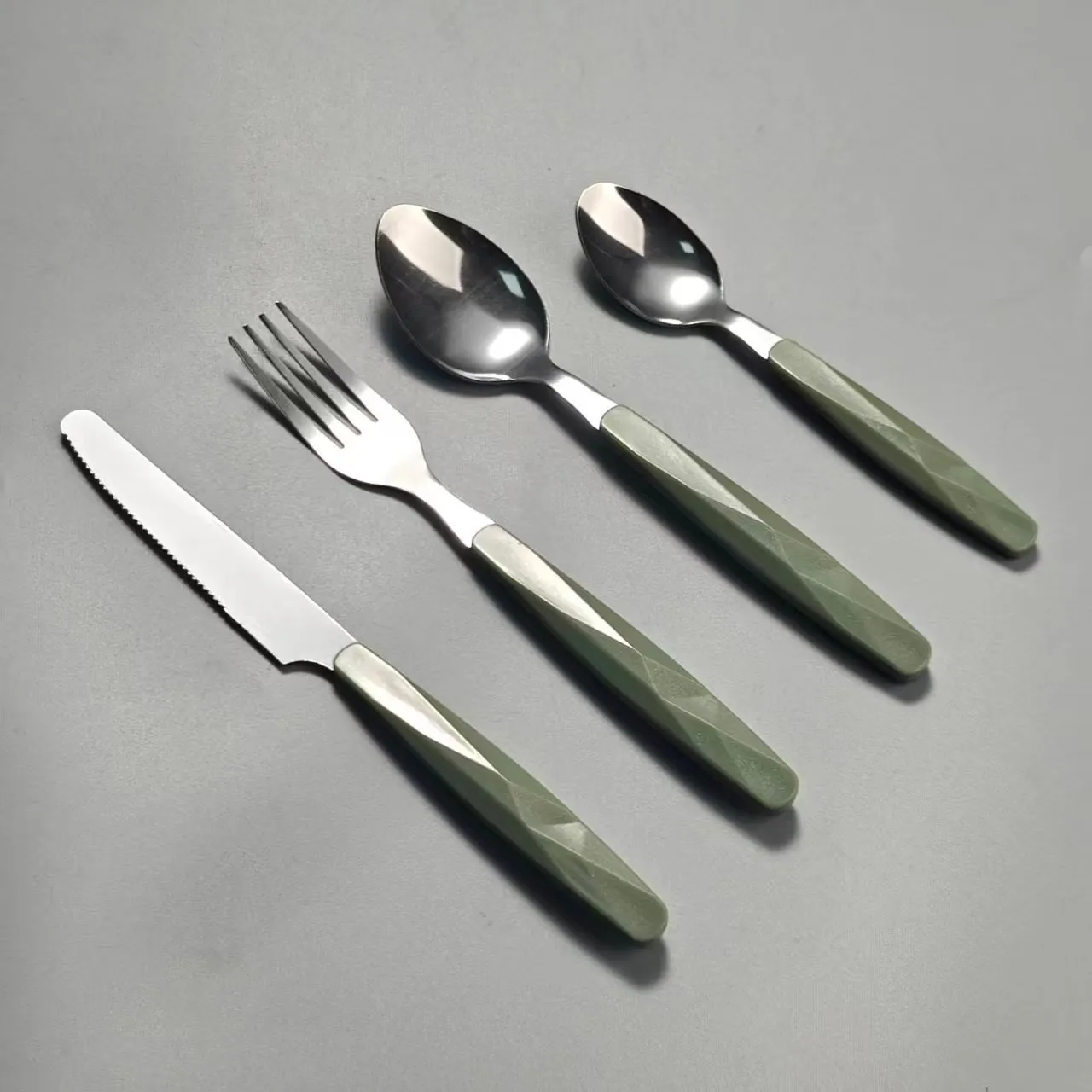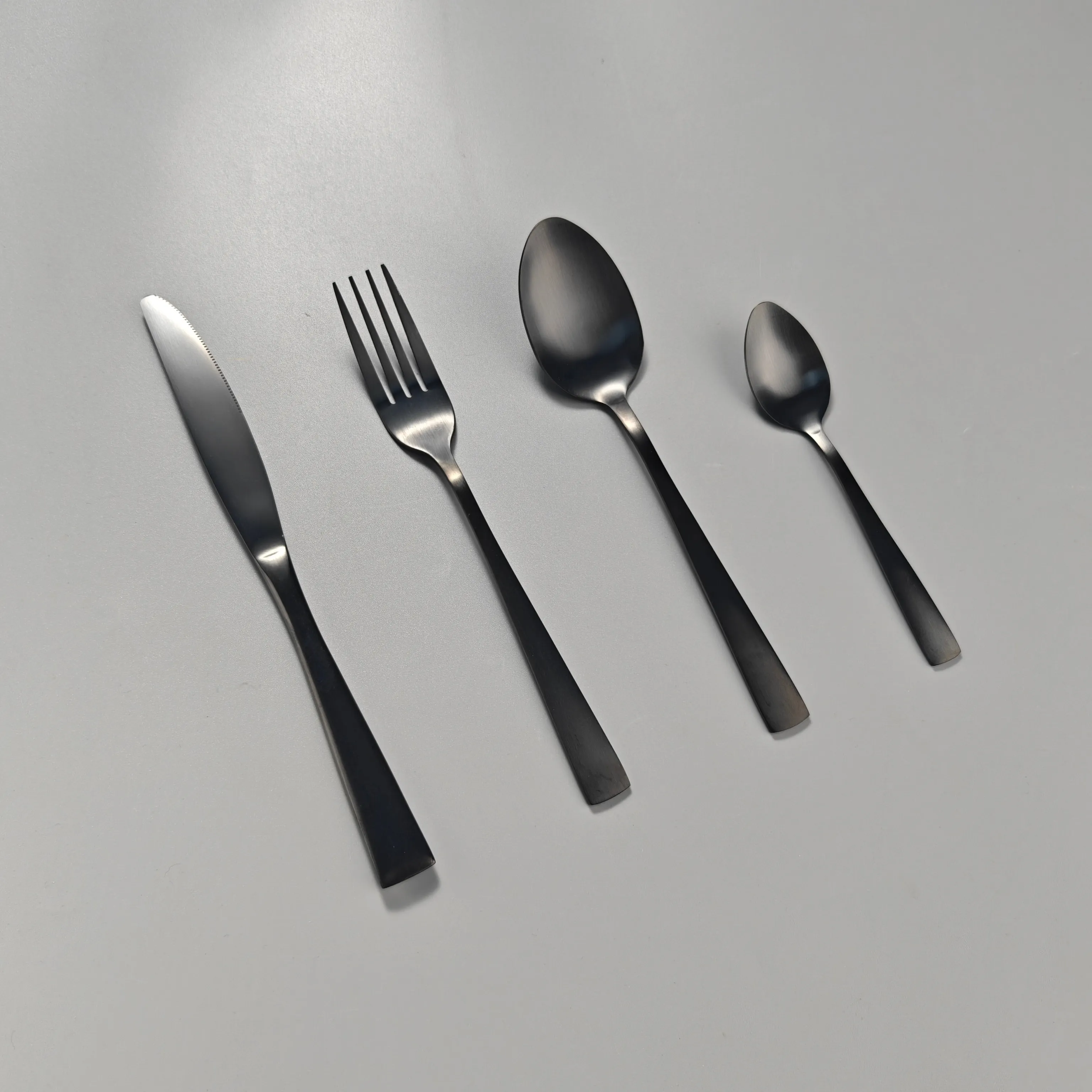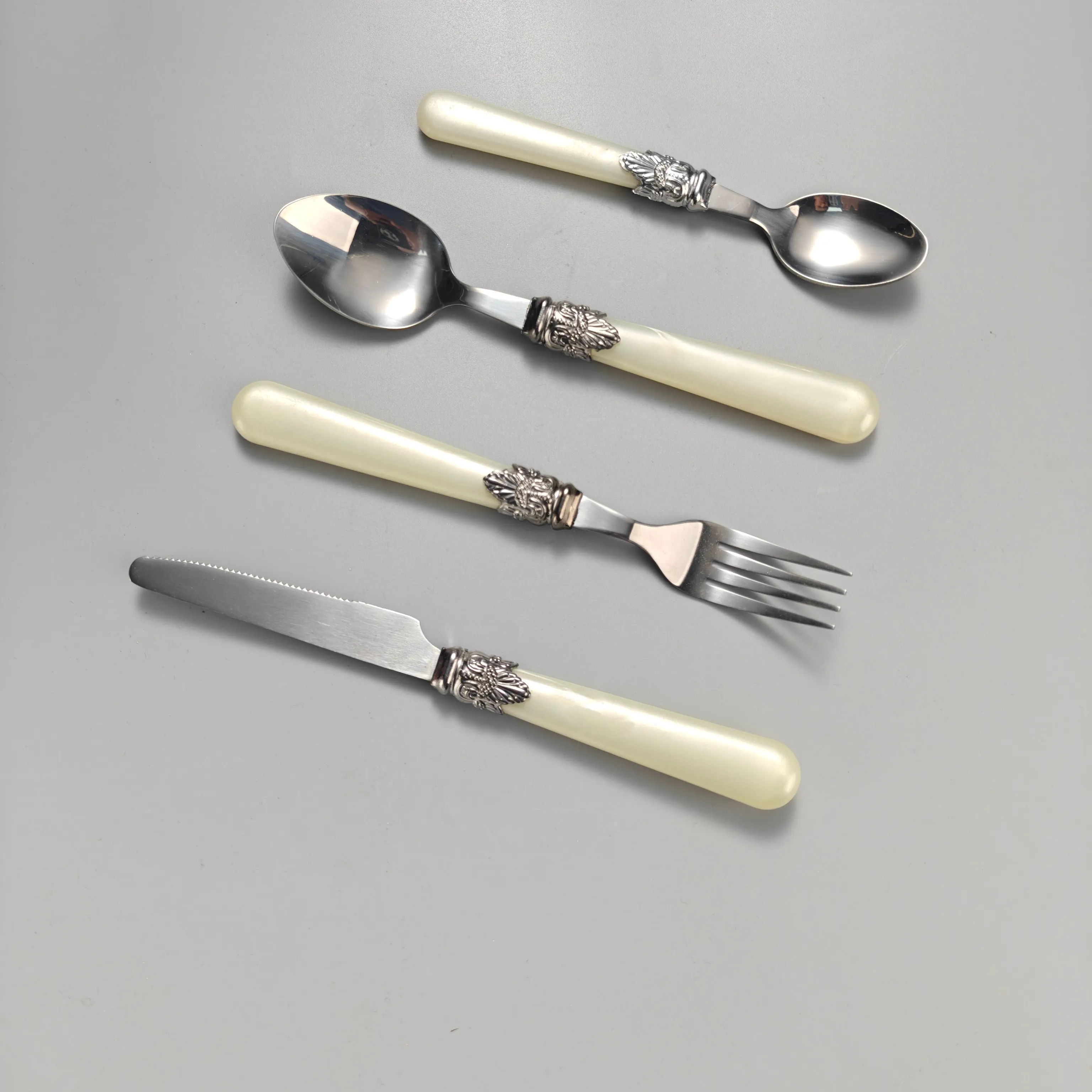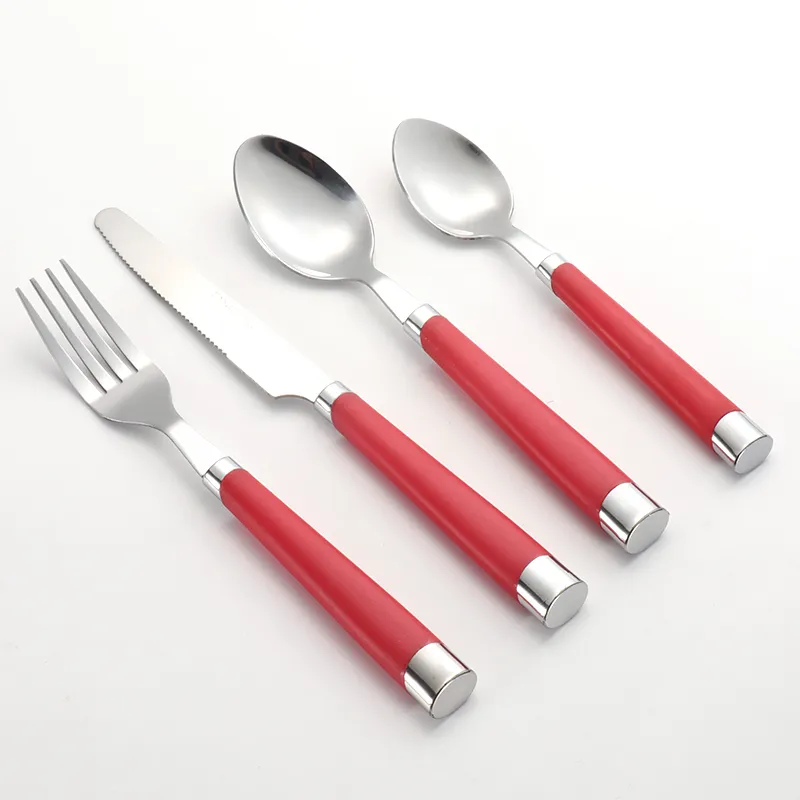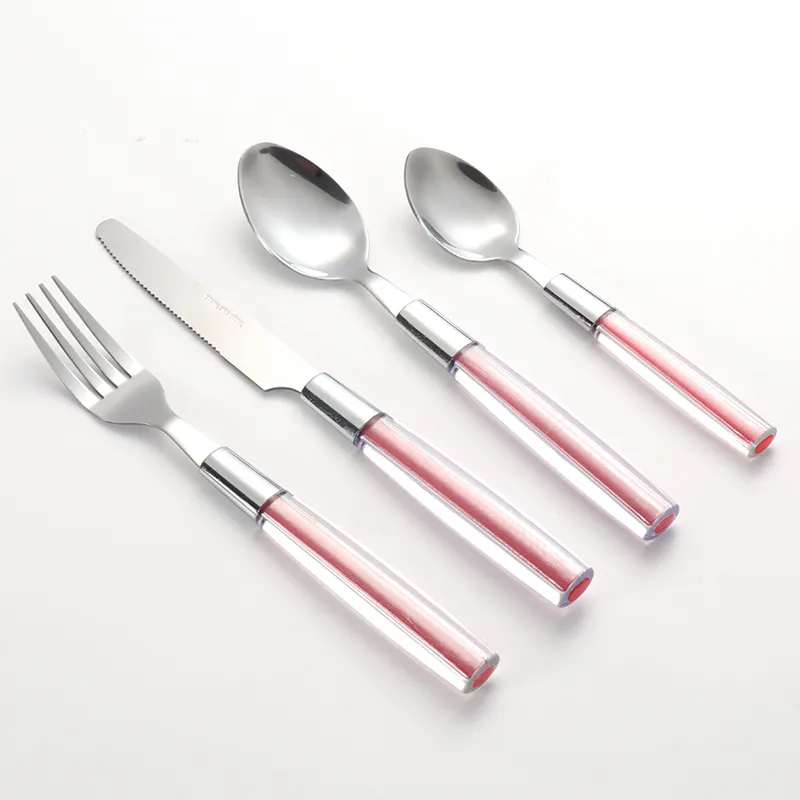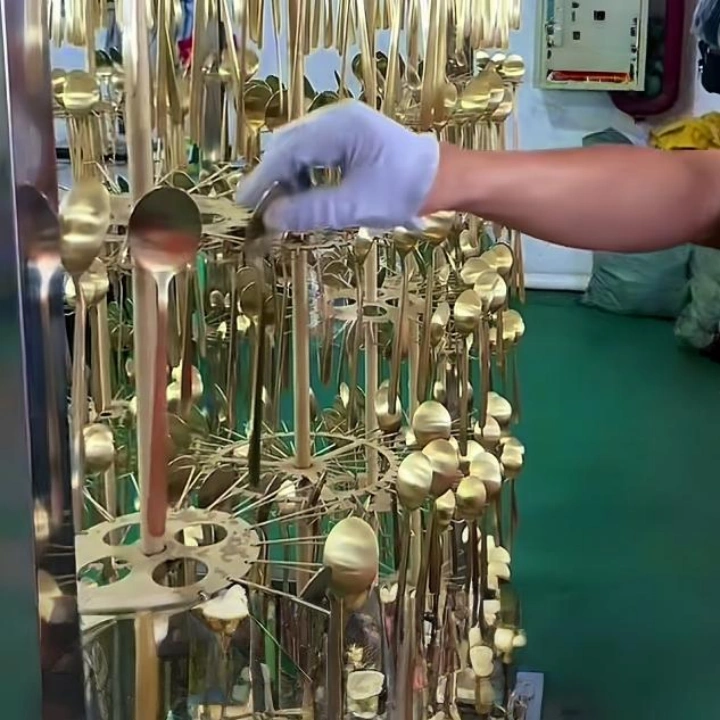
Mirror polishing and electroplating are two core technologies used to enhance the surface texture, appearance, and durability of metal cutlery. Mirror polishing highlights the natural luster of the base metal, while electroplating adds protective coatings and diversified finishes. These processes can be applied independently or combined to meet different positioning and usage requirements.
Mirror Polishing: Unlocking the Natural Metal Luster
Mirror polishing enhances cutlery surfaces by removing microscopic irregularities through physical, chemical, or electrochemical methods. The result is a smooth, high-gloss finish that preserves the metal’s inherent texture and color.
Core Mirror Polishing Processes
Mechanical Polishing
Mechanical polishing is the most widely used method for producing stainless steel flatware.
- 430 stainless steel is typically polished with linen wheels, offering a good balance between cost control and surface brightness.
- 304 stainless steel is commonly polished with cloth wheels, resulting in a finer and more uniform texture that is suitable for mass production and mid-to-high-end flatware.
Chemical Polishing
Chemical polishing uses controlled chemical solutions to dissolve surface protrusions.
- Ideal for cutlery with complex shapes or fine details
- Produces an overall glossy appearance
- Requires strict control of solution composition to avoid uneven luster
Electropolishing
Electropolishing removes surface imperfections at a microscopic level while forming a dense passive film.
- Delivers high mirror gloss
- Significantly improves corrosion resistance and hygiene
- Commonly used for high-end and food-service-grade cutlery
Effects and Applications of Mirror Polishing
Advantages
- Natural metallic texture
- Smooth surface, easy to clean
- Suitable for high-end home, hotel, and gift cutlery
Limitations
- Surface is prone to scratches
- Requires careful daily maintenance
Electroplating: Creating Diverse Textures Through Coating
Electroplating applies a metal or alloy coating to the cutlery surface through electrolysis. This process enhances visual texture, improves wear resistance, and adds functional protection while maintaining the mechanical strength of the base metal.
Common Electroplating Types for Cutlery
Nickel Plating
- Warm silver-white appearance
- Good decorative and corrosion-resistant properties
- Often used as a base layer for chrome plating
- Lead-free nickel plating is required for food-contact applications
Chrome Plating
- Extremely hard and wear-resistant
- Excellent corrosion resistance
- Cool-toned mirror finish
- Higher cost and more complex processing, ideal for frequently used flatware
Silver and Gold Plating
- Positioned for premium and gift-oriented cutlery
- Silver offers a luxurious appearance but oxidizes easily
- Gold plating is chemically stable and often applied partially to control cost
Titanium Plating
- High hardness and strong wear resistance
- Dishwasher-resistant
- Suitable for modern, high-end household cutlery
Effects and Applications of Electroplating
- Enables diversified colors and surface styles
- Improves durability for commercial and daily-use environments
- Widely used in mid-to-high-end home, hospitality, and gift cutlery
Note:
Plated coatings may wear over time. All food-contact electroplated cutlery must comply with relevant safety and certification standards.
Usage and Maintenance Recommendations
- Avoid hard or abrasive cleaning tools on mirror-polished cutlery
- Dry cutlery promptly after washing to prevent water marks
- Ensure electroplated cutlery meets food-contact safety standards
- Avoid prolonged contact with strong acids
- Hand washing is recommended for decorative plated cutlery; use gentle dishwasher modes if applicable
Our Cutlery Surface Technology Application Strategy
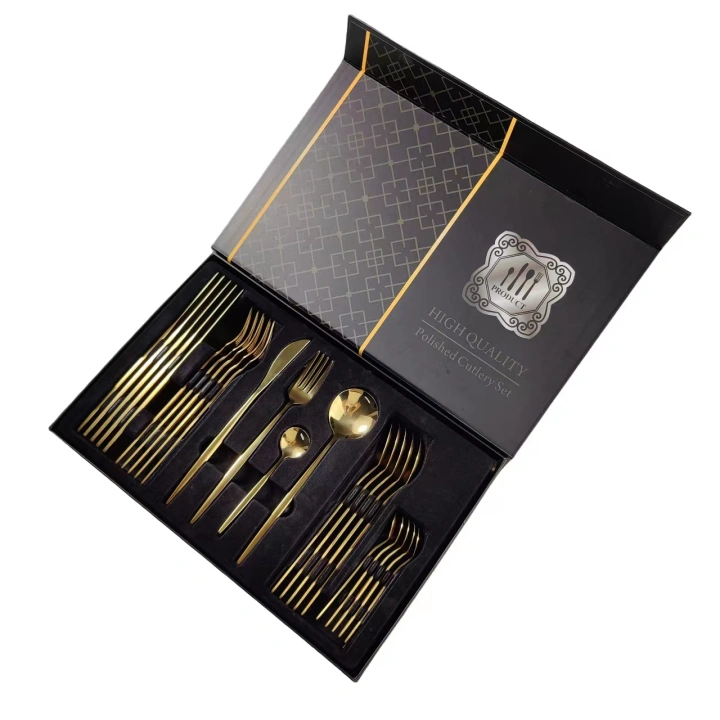
We apply differentiated surface treatment processes based on product positioning:
- Mid-to-high-end cutlery: Non-mechanical polishing methods to enhance surface refinement and consistency
- Cost-sensitive products: Chemical polishing to balance gloss level and production efficiency
- Electroplating: Primarily electrolysis-based titanium plating for durability, with small-batch customized gold plating available upon request
This flexible processing approach allows us to meet diverse market demands while maintaining stable quality and cost efficiency.
Huashun is a trusted flatware and food storage containers manufacturer based in Jieyang, China, with a 1,000㎡ production facility. We specialize in wholesaling flatware, kids dinnerware, kitchen utensils, and food storage containers, offering over 200 ready designs and exporting to 30+ countries.
With more than 20 years of manufacturing experience, Huashun focuses on stable quality and long-term cooperation rather than one-time deals. We believe timeless quality is the foundation of lasting business and sustainable partnerships.