Excerpt: Why do some 18/10 tableware pieces feel heavy and premium, while others feel cheap? The answer lies in the material, thickness, weight distribution, polishing process, and manufacturing details. This article analyzes how to judge high-quality stainless steel flatware from a purchasing perspective.
Why Some 18/10 Flatware Feels Heavy While Others Feel Cheap
For catering brands, hotel buyers, and wholesale importers, a common question when choosing tableware is:
Why do some tableware pieces, both labeled as 18/10 stainless steel, feel solid and premium, while others feel thin and cheap?
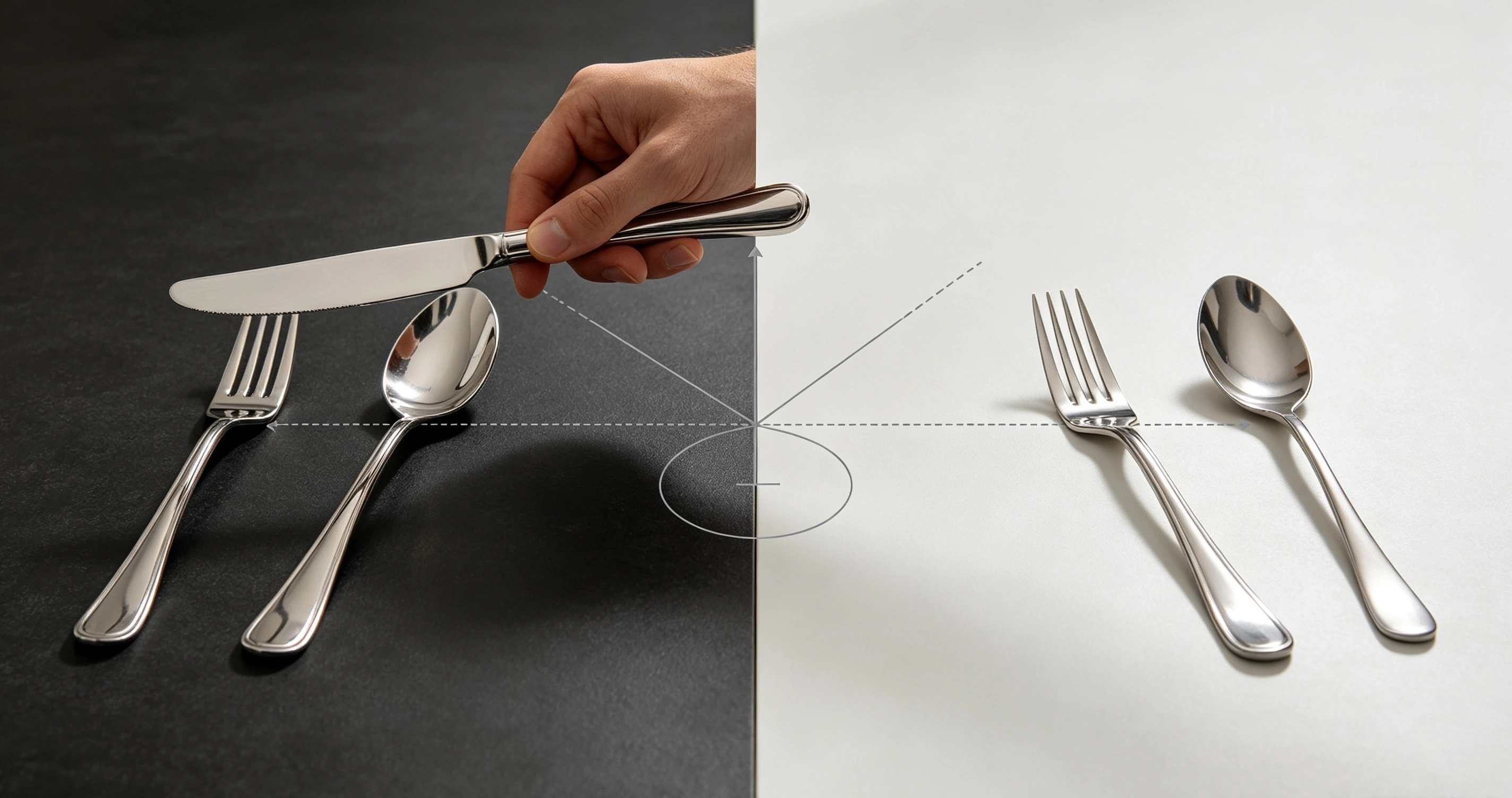
Many buyers, when purchasing stainless steel flatware for the first time, easily assume that the material grade determines everything. However, 18/10 is only one important factor in judging tableware quality. What truly influences a consumer’s first impression and long-term user experience also includes product weight, thickness, structural design, surface treatment, and manufacturing process.
For buyers looking to create a high-end dining experience or sell high-quality tableware, understanding these differences can help them choose products that better align with their market positioning and avoid damaging their brand reputation through low-price sourcing.
What Does “18/10” Really Tell You?
18/10 represents the ratio of chromium to nickel in stainless steel:
- 18% Chromium
- 10% Nickel
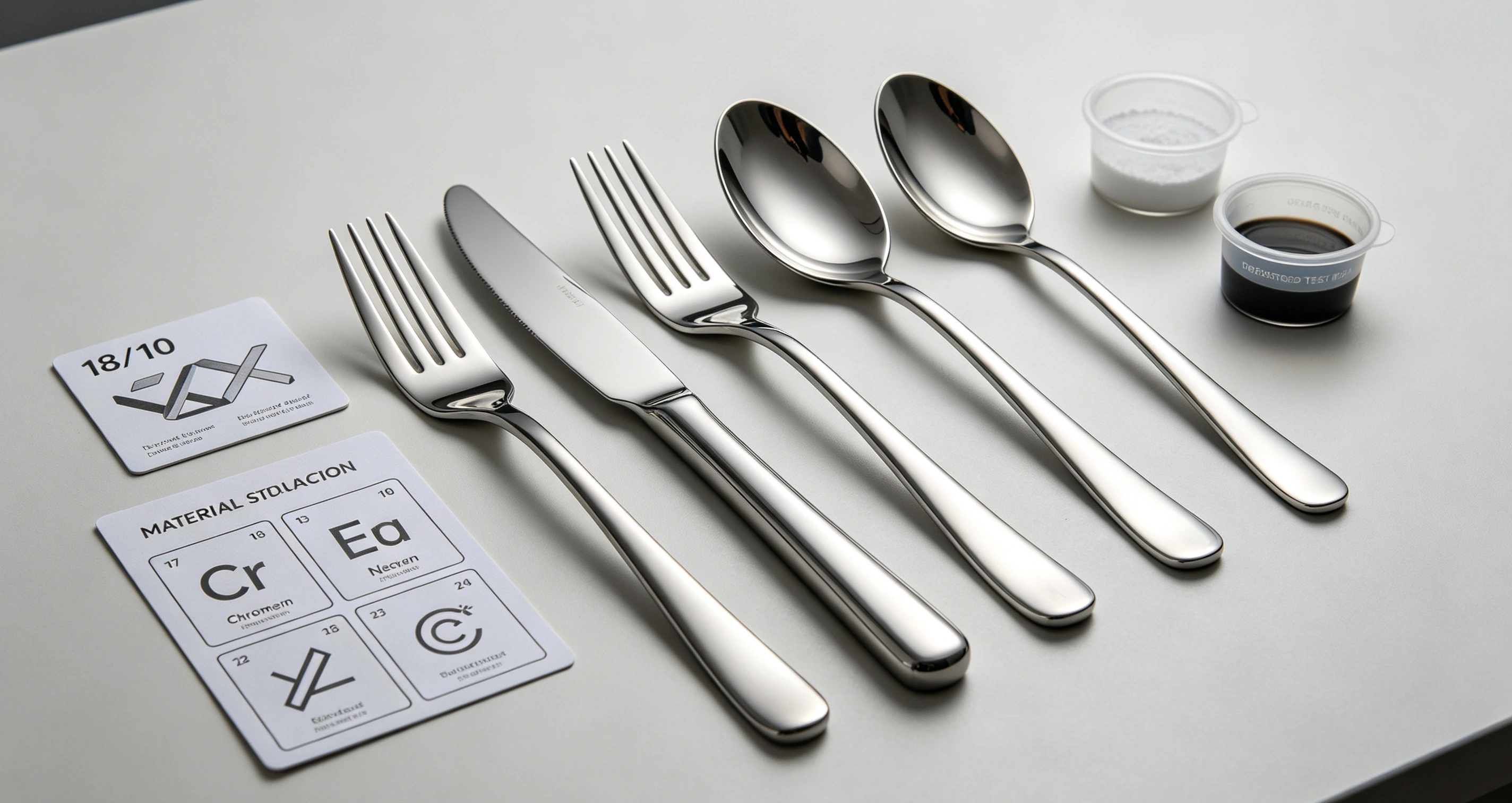
Chromium primarily enhances corrosion resistance, while nickel enhances luster, stability, and overall texture.
Therefore, 18/10 stainless steel is generally considered a common material for high-quality tableware, especially suitable for hotels, upscale restaurants, and long-term use scenarios.
However, it’s important to note:
18/10 does not mean all products are of identical quality.
Two products may both use 18/10 material, but if:
- Steel thickness differs
- Product structure differs
- Polishing standards differ
- Manufacturing processes differ
The final feel and visual appearance will still be significantly different.
This is why buyers searching for best 18/10 stainless steel flatware shouldn’t just focus on the material label, but need to comprehensively evaluate the product design and manufacturing capabilities.
Weight vs. Quality: Are They the Same Thing?
Many consumers believe:
“Heavier cutlery is always better.”
In reality, weight is just one factor in judging quality, not the only one.
The core of high-quality stainless steel flatware isn’t simply increasing weight, but finding the optimal balance between weight, feel, and comfort.
For example:
A knife with an overly heavy handle will feel unnatural to hold;
A set of forks that is too light may give consumers the impression of a lower-cost product.
Truly excellent cutlery typically possesses:
- Reasonable weight distribution
- Comfortable grip
- Stable construction
- Smooth edge finishing
This is why some heavy weight 18/10 flatware products are popular in the hotel and high-end catering markets, because they deliver a more noticeable sense of quality.
The 5 Factors That Make Flatware Feel Premium
1. Thickness
Thickness is a crucial factor affecting the feel of flatware.
Thicker stainless steel typically:
- Is more robust
- Is less prone to deformation
- Has a longer lifespan
- Provides a more stable grip
For example, in commercial catering environments, flatware undergoes extensive daily use and washing; higher structural strength reduces replacement frequency.
For customers purchasing bulk stainless steel flatware, confirming product thickness standards is an important step in controlling long-term operating costs.
2. Weight Distribution
Premium flatware isn’t necessarily heavier; rather, the weight needs to be distributed appropriately.
Excellent design typically ensures:
- Knives remain balanced
- Handles are comfortable to hold
- Forks are stable to use
When consumers pick up flatware, their first impression is usually based on weight and balance.
This is why products of the same weight can produce completely different user experiences depending on their design.
3. Handle Construction
The handle is a crucial part of the visual and tactile experience of tableware.
In the modern market, more and more brands are choosing:
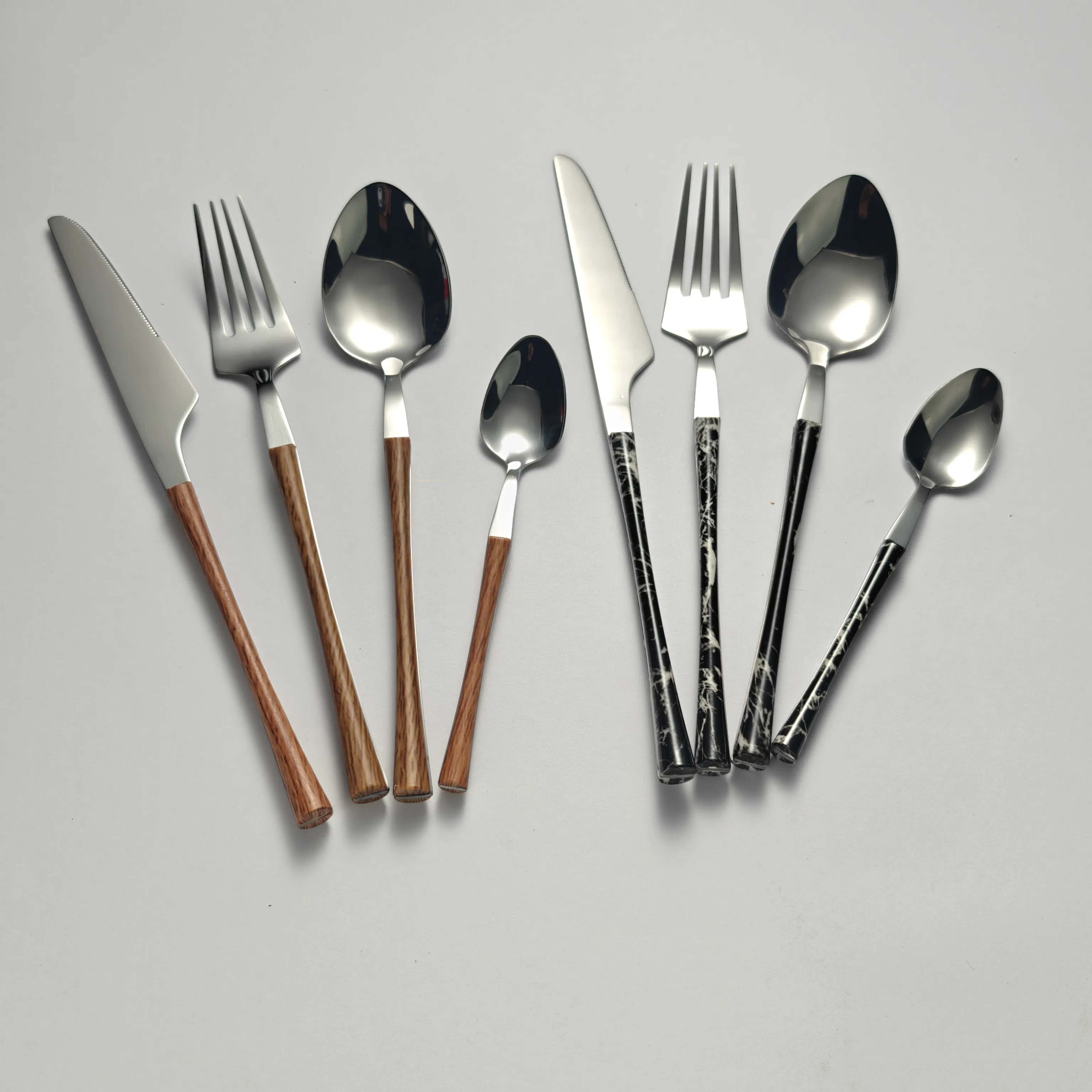
- Simple, straight-line designs
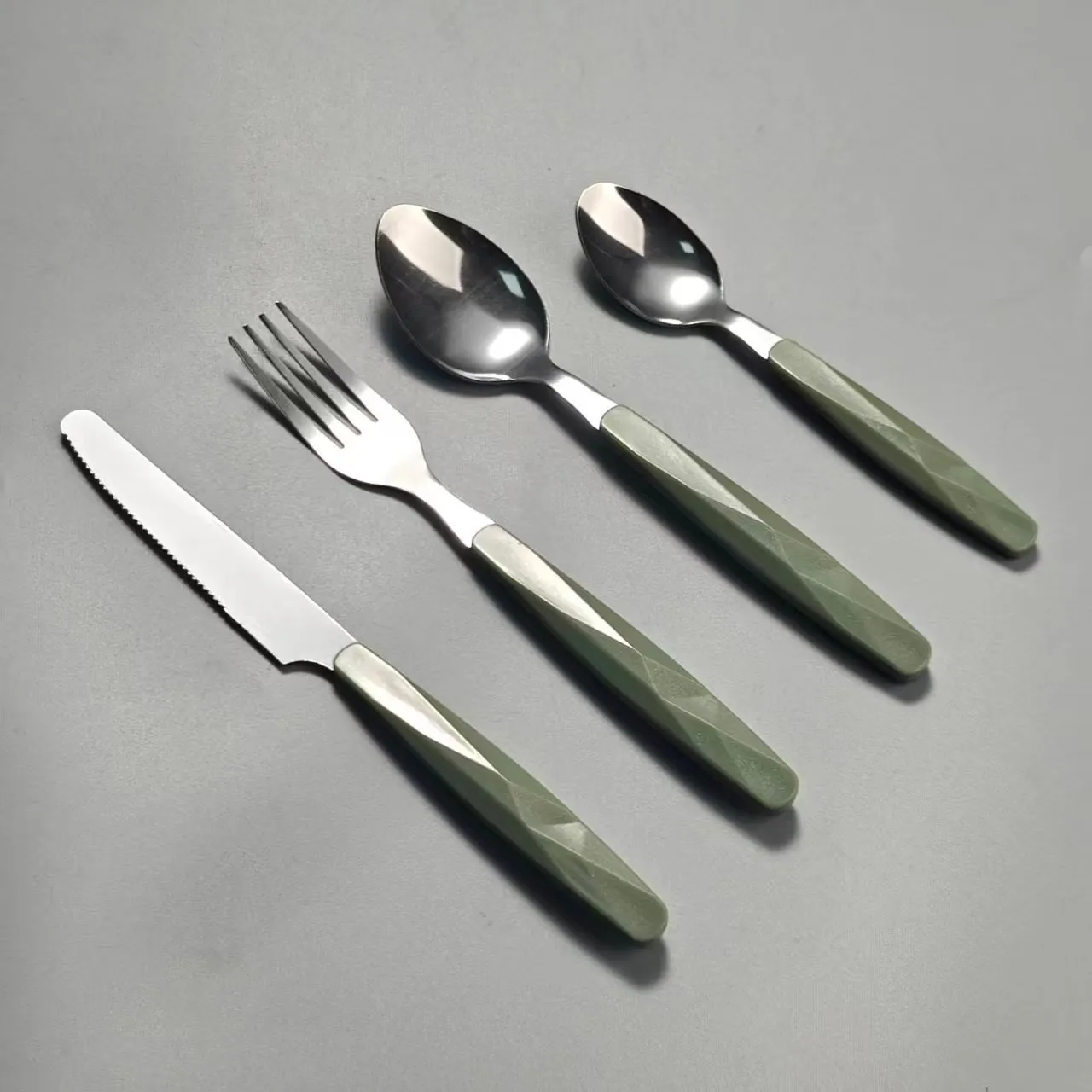
- Rounded handles
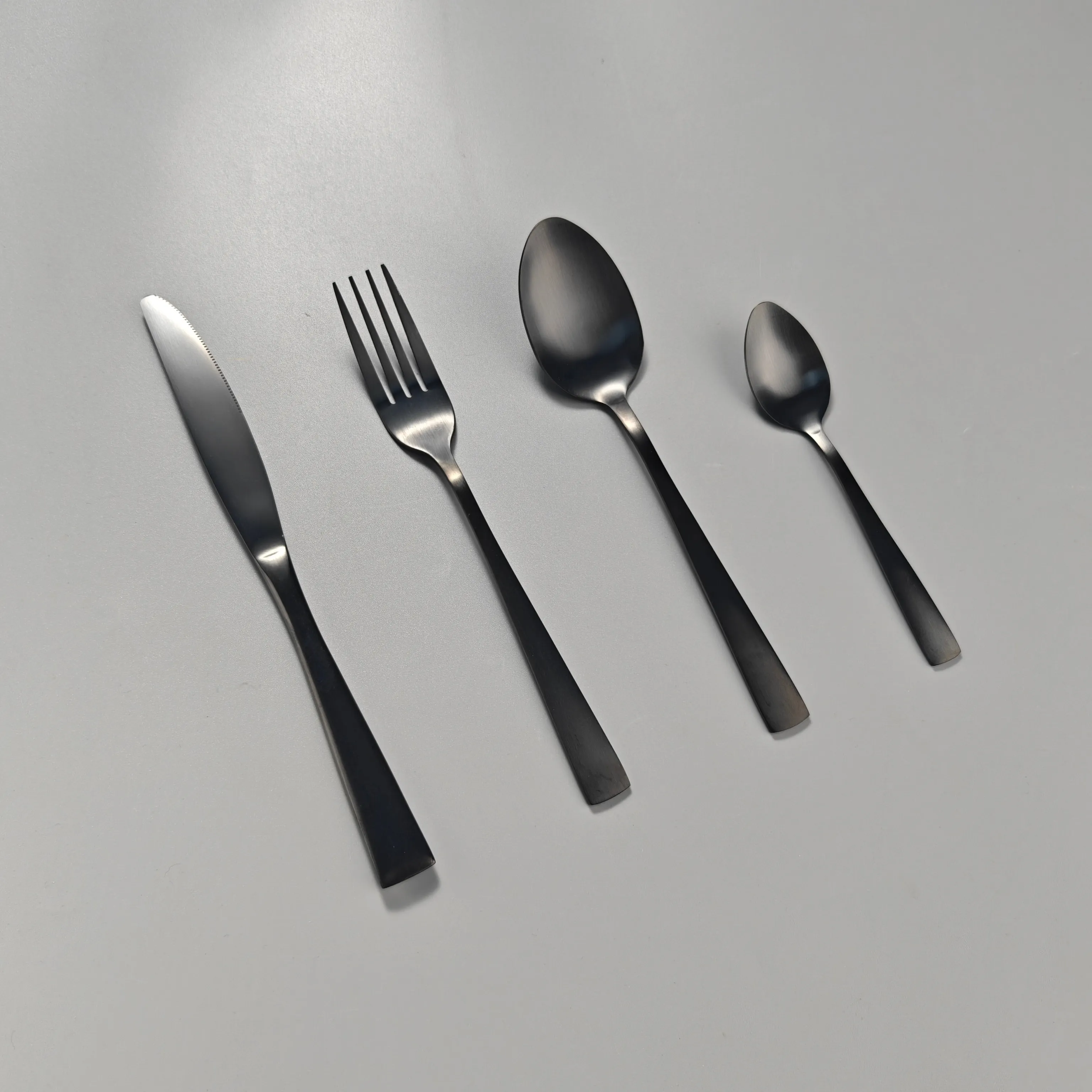
- Matte surfaces
- Personalized shapes
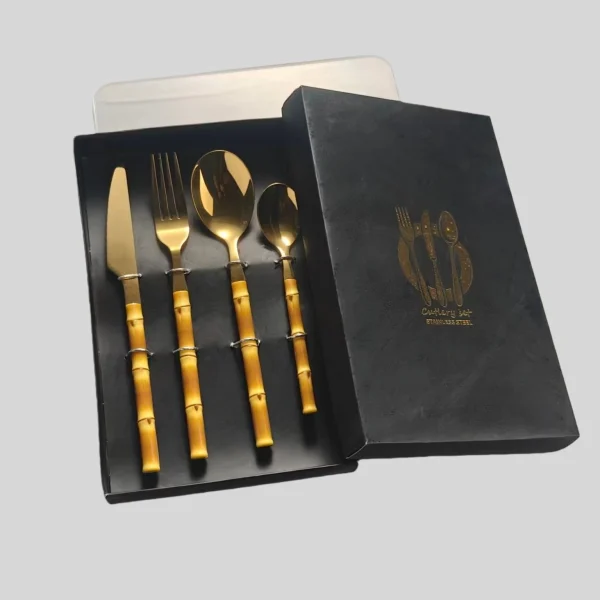
Especially modern stainless steel flatware, which places even greater emphasis on design and overall aesthetic appeal.
For restaurant and hotel procurement, tableware is not just a tool, but also part of the visual experience on the table.
4. Polishing Quality
Surface treatment directly affects the perceived quality of tableware.
Common finishes include:
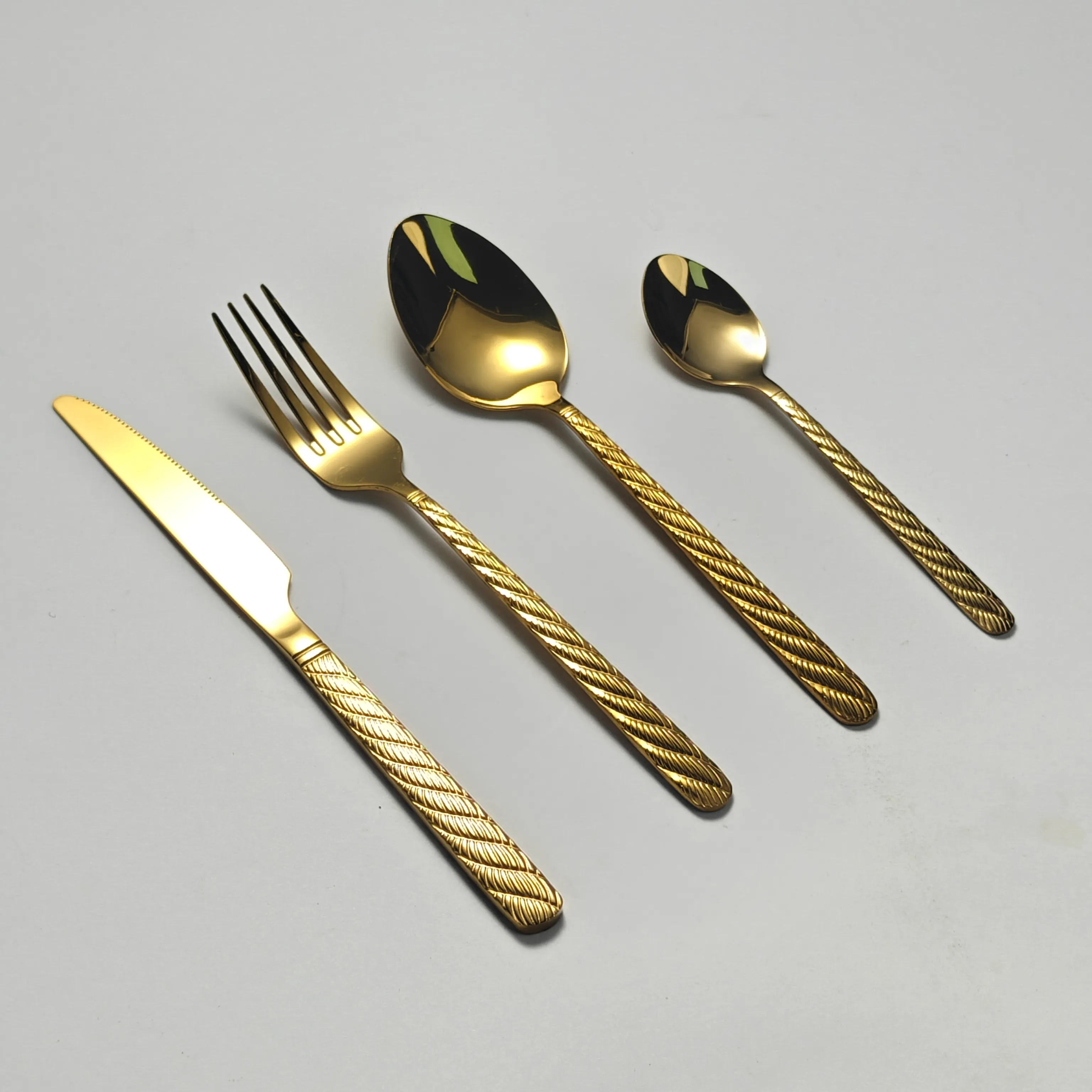
Mirror Finish
Features:
- High gloss
- Classic and timeless
Suitable for hotel and formal dining environments
Satin Finish
Features:
- More modern
- Less prone to fingerprints
Suitable for minimalist style restaurants
High-quality polishing makes the surface of stainless steel flatware more uniform, while reducing visual imperfections.
5. Edge Finishing
Edge details are often overlooked by many buyers.
High-quality tableware requires:
- Edge polishing
- Burr removal
- Rounding corners
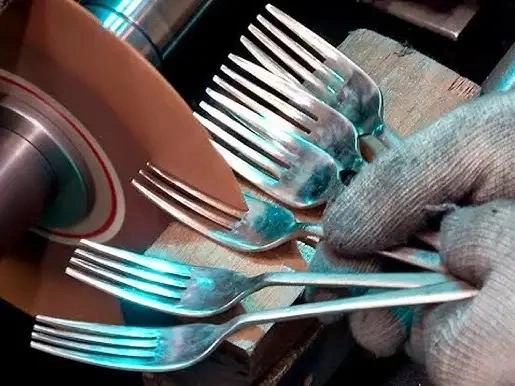
Especially in restaurant environments, where tableware is used by a large number of consumers daily, comfortable and safe edge finishing is crucial.
Heavy Flatware vs Lightweight Flatware: Quality Comparison
| Feature | Premium Flatware | Low-quality Flatware |
| Thickness | More stable thickness | Thin and easy to deform |
| Balance | Comfortable weight distribution | Unbalanced feeling |
| Polish | Smooth mirror or satin finish | Uneven surface |
| Edges | Rounded and polished | Rough edges |
| Usage Experience | Premium hand feeling | Lightweight and less durable |
For buyers, choosing the best stainless steel flatware is not about choosing the heaviest product, but rather choosing a product that meets the needs of the target market.
For example:
- High-end hotels → Focus more on weight, design, and surface finish
- Fast food restaurants → Focus more on durability and cost
- Retail brands → Focus more on appearance, packaging, and market positioning
How Buyers Can Check Quality from a Sample
Sample confirmation is a crucial step before bulk purchasing.
Buyers can focus on checking:
1. Hand Feel Test
Pick up the knife and fork and feel:
- Is the weight comfortable?
- Is it easy to tilt?
- Does it match the target market positioning?
2. Appearance Inspection
Observe:
- Is the surface uniform?
Are there any scratches?
Is the polishing consistent?
3. Detail Inspection
Pay attention to:
- Are the edges smooth?
- Is the handle connection natural?
- Do the product dimensions meet design requirements?
For customers purchasing wholesale stainless steel flatware, confirming these details in advance can reduce risks during subsequent mass production.
Factory Perspective: How Huashun Controls Flatware Weight and Finis
As a stainless steel tableware manufacturer, Huashun understands that tableware quality stems not only from material selection but also from every detail of the production process.
When developing stainless steel flatware products, the following factors need to be considered:
- Product structure design
- Material selection
- Molding process
- Grinding and polishing
- Surface treatment
- Final quality inspection
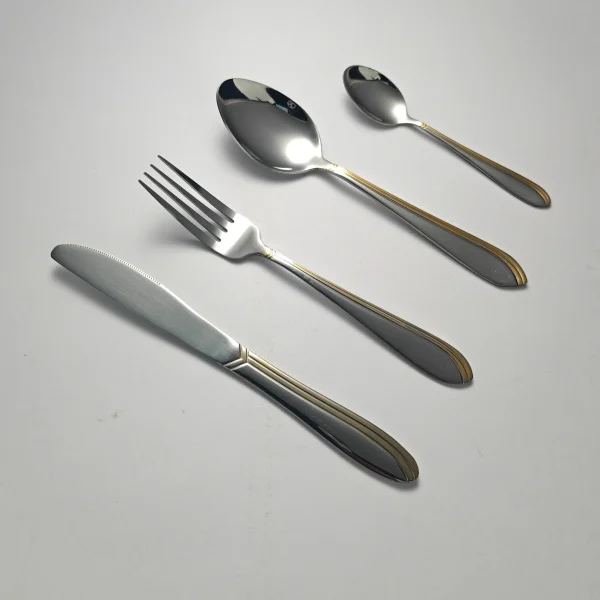
Different markets have different needs for tableware. For example, hotel clients may prioritize durability and a premium feel, while retail brands may focus more on design and packaging presentation.
Therefore, a stable manufacturing process and flexible customization capabilities are crucial for stainless steel flatware manufacturers.
Huashun can provide different styles of stainless steel tableware solutions based on customer needs, including:
- Commercial catering tableware
- Hotel tableware
- Customized tableware sets
- Brand project development
Helping clients choose the appropriate product solution based on their target market.
FAQ
Q1: Is heavier stainless steel flatware always better?
Not necessarily. Weight is only one aspect of quality judgment. Excellent tableware requires a reasonable weight, good balance, and comfortable design.
Q2: What makes 18/10 flatware different from other stainless steel flatware?
18/10 has a higher nickel content, generally resulting in better corrosion resistance and luster. However, the final quality still depends on the manufacturing process and design.
Q3: What should restaurants consider when buying flatware?
Recommended considerations for restaurants when purchasing:
- Frequency of use
- Product durability
- Cleaning methods
- Design style
- Procurement cost
For large-scale catering projects, choosing a professional wholesale flatware supplier for restaurants makes it easier to ensure a long-term stable supply.
Q4: Can stainless steel flatware be customized?
Yes. Many brands customize according to market demand:
- Product shape
- Surface finish
- Logo
- Packaging options
This is why more and more brands are seeking partnerships with professional stainless steel flatware manufacturers.
Conclusion
18/10 is not the sole criterion for judging tableware quality. Products made of the same material can ultimately convey a sense of luxury depending on thickness, weight distribution, handle design, polishing process, and edge finishing.
For hotels, restaurants, wholesalers, and brand buyers, choosing stainless steel flatware requires considering the actual usage scenario and target customer needs, rather than simply comparing prices. High-quality tableware not only enhances the dining experience but also helps brands build a more stable market competitiveness.
About Huashun
Huashun specializes in the R&D, production, and export of stainless steel tableware, providing customized solutions for catering, hotels, retail, and brands worldwide.
As a professional stainless steel flatware manufacturer, Huashun supports the development of various tableware projects, including premium flatware, modern stainless steel flatware, bulk purchasing, and customized product solutions.
If you are looking for a reliable bulk stainless steel flatware or wholesale stainless steel flatware supplier, please contact Huashun to learn more about our products and customization services.